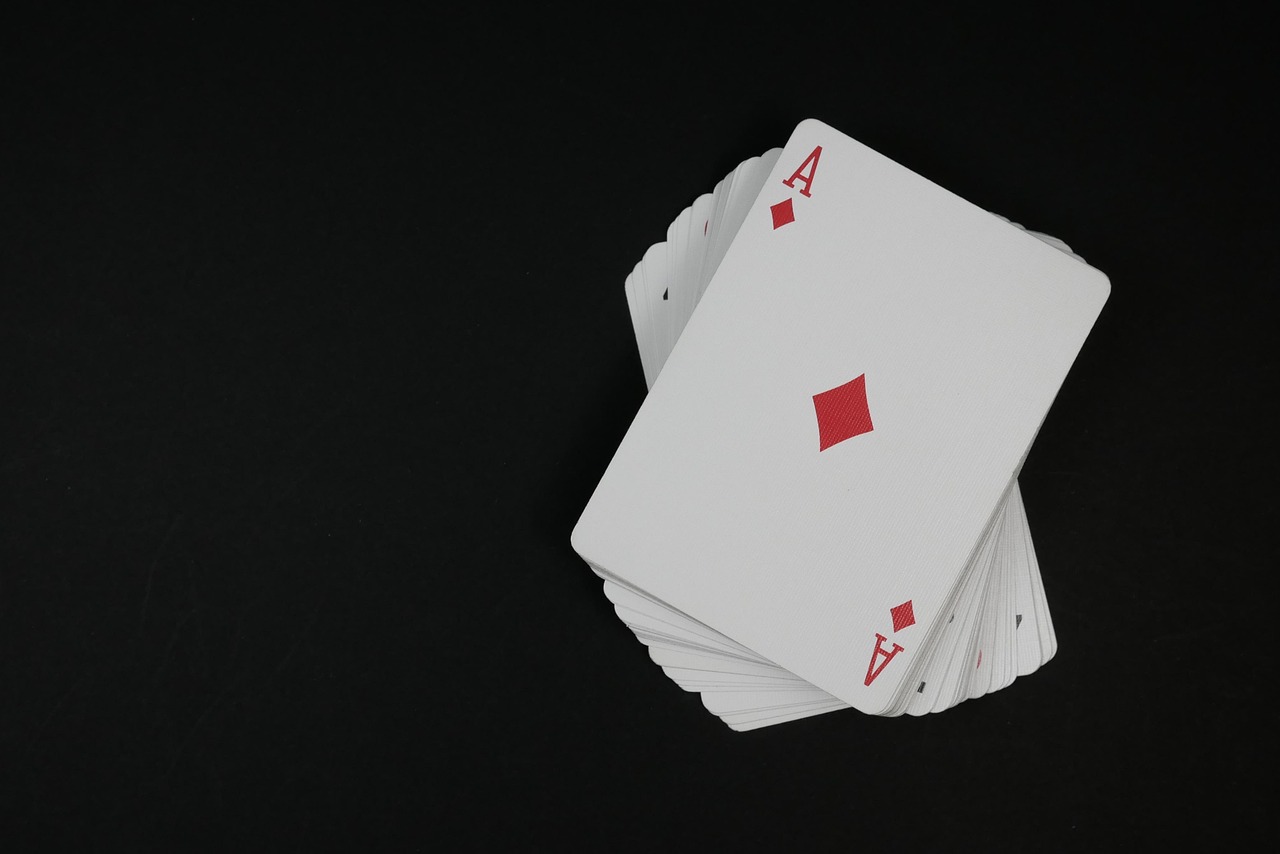


Most people lose money at online casinos for the same dumb reason: they play like it's a vending machine. Insert money, expect dopamine. That works fine when you're burning ten bucks on a Saturday night, but the moment you start treating betting or poker as anything more than a $20 pastime, the math changes. The truth is, the players who actually come out ahead over a 12-month stretch aren't luckier than you. They're just more disciplined, more selective, and frankly, more boring about the whole thing.
If you've been dabbling in iGaming and wondering why your balance keeps bleeding, this is the article that might save you a few hundred bucks a month. No hype. No promises of turning $50 into $5,000. Just the mechanics of how this industry actually works and how to survive inside it.
Every game in a casino is a tug-of-war between you and the house edge. Slots sit somewhere around 2% to 10% depending on the machine and jurisdiction. European roulette is a kinder 2.7%. Blackjack played with basic strategy can drop the edge to around 0.5% — which is why serious players flock to it. But here's the thing most people miss: the edge isn't applied per session, it's applied over thousands of spins or hands. In any given 100-spin slot session, a player can be up 200%. Over 10,000 spins, the math grinds them down to the house's favor.
So your first job as an informed player is maximizing your time in low-edge games and minimizing exposure to high-edge ones. If you're playing for entertainment, fine. If you're playing to win, you're playing blackjack, poker, or selective sports betting — full stop.
Slots are the bread and butter of every casino for a reason: they're cheap to run and the house edge is fat. But that doesn't mean slots are pointless. It means you should think of them as entertainment expenditure, not investment.
A few concrete notes worth knowing:
If you want a personal rule: don't chase slots losses. The hit pattern on a slot is random within its math model. "Due" is a myth invented by tilted players.
Here's the fundamental distinction that separates poker from every other casino vertical: you don't play against the house, you play against other players, and the house just skims a rake. That means a skilled player can beat the game consistently. The rake is a tax, not a ceiling.
But "skilled" in poker means something specific. It's not about knowing the rules — everyone knows the rules. It's about:
Tournament poker is a different animal. The variance is brutal — you can play perfectly for three hours and get eliminated on a coin flip. But the upside is life-changing, and the field is full of recreational players who don't understand ICM (Independent Chip Model) pressure or pay jumps. Take a look at สล็อตเว็บตรง for a fuller picture.
Sports betting has undergone a massive transformation over the last decade as jurisdictions worldwide legalized it. The upside for bettors is competitive pricing — books fight for your business with promotions, boosted odds, and sign-up bonuses. The downside is that algorithms are getting smarter at limiting winning players.
A few working principles:
Winning bettors don't celebrate individual wins. They track closing line value (CLV). If you beat the closing line consistently, you'll win long-term even through cold streaks.
You can be the best card player at the table and still go broke inside a month if your bankroll rules are trash. The core principle is simple: your bankroll should be an amount you can lose entirely without changing your life. Not rent. Not savings. Not the money you need for tires.
Inside that bankroll, apply unit sizing. A common structure:
The purpose of unit sizing isn't just to prevent ruin. It's to keep you rational. When a losing bet costs 1% instead of 20%, you stop making tilted decisions that compound the damage.
iGaming rewards patience in a way that feels almost countercultural. Every ad screams about huge multipliers and instant wins, but the actual winners — the small, quiet minority — are playing blackjack with basic strategy charts, grinding mid-stakes poker, and line shopping football weekends. They set loss limits and stick to them, even when a hot streak tempts them to increase stakes.
If you take nothing else from this, remember one thing: the house edge isn't your enemy. Your own psychology is. Every game in the industry is designed to exploit human tendencies — the need for action, the illusion of near-wins, the urge to chase. The players who survive over years aren't masters of secret systems. They're masters of themselves.
Play less. Play smarter. Play games where your skill can actually move the needle. That's the only real edge worth chasing in this business.

Hidden Perch shares practical, down-to-earth guidance on uk birdwatching, nature reserves, and hidden outdoor viewpoints for readers across the UK.


Leave A Comment